What Are Dental Crowns and When Do You Need One?
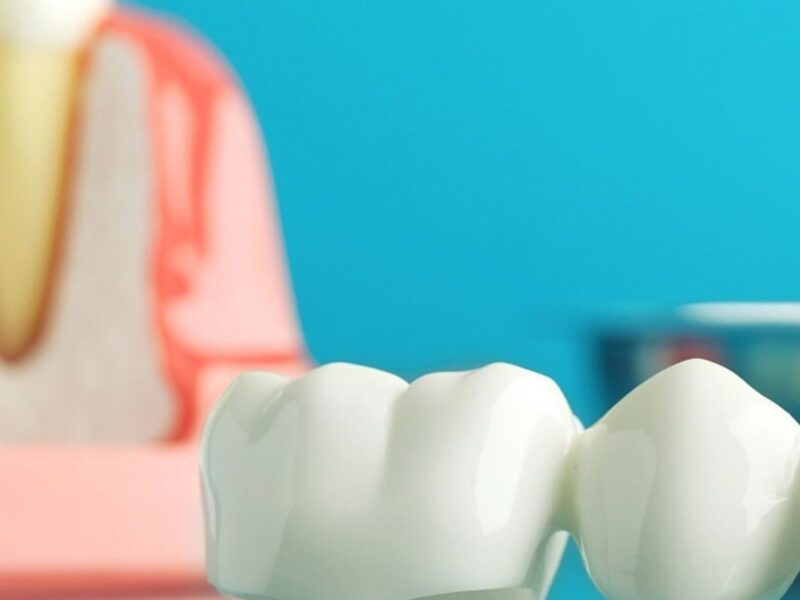

A dental crown is a custom-made cap that fits over a damaged or weakened tooth to restore its shape, strength, and function. It covers the visible part of the tooth above the gumline and, when done well, it should look and feel close to natural. For many patients, the word "crown" sounds more dramatic than the procedure really is. In everyday practice, crowns are one of the most common ways dentists save teeth that would otherwise keep breaking down.
The simplest way to think about Dental Crowns is this: they protect a tooth that can no longer reliably protect itself. A small filling works when enough healthy tooth remains. A crown becomes the better option when the tooth structure is too compromised to handle chewing forces over time.
That distinction matters. People often wait until a tooth hurts, cracks further, or loses a large filling before they seriously consider treatment. By then, the options can narrow quickly. A crown cannot fix every problem, but in the right situation, it can buy many years of comfortable chewing and preserve a tooth that still has a healthy root and good bone support.
What a crown actually does
A healthy tooth is remarkably strong, but it is not indestructible. Decay, fractures, grinding, root canal treatment, and old dental work all weaken the remaining structure. Once a tooth becomes hollowed out or cracked, normal biting pressure can push it closer to failure. Molars take the greatest punishment because they absorb heavy chewing force day after day, often without much warning before something gives way.
A crown acts like a reinforced shell. After the dentist shapes the tooth, the crown fits over it precisely, distributing pressure more evenly and reducing the chance of future fracture. It also restores contour, so food does not trap as easily between teeth, and it brings back a smoother biting surface when a tooth has been worn down or broken.
That said, a crown is not armor plating. If the underlying tooth has deep decay, an untreated infection, a vertical root fracture, or very little Dental Crowns structure left to hold onto, a crown may not succeed. This is where experience and judgment matter more than slogans. The best dentists are not trying to put crowns on every damaged tooth. They are deciding whether the tooth is still a good long-term investment.
When a dentist recommends a crown
There is no single trigger that applies to everyone. The need for a crown depends on how much sound tooth remains, where the tooth is located, how hard you bite, whether you grind at night, and whether the tooth has already had extensive treatment.
A crown is commonly recommended in situations like these:
- A tooth has a large cavity or large filling, and the remaining walls are too thin to hold up well.
- A tooth is cracked, broken, or badly worn, especially if chewing causes discomfort.
- A tooth has had root canal treatment and needs protection from fracture.
- A tooth is misshapen or severely discolored and simpler cosmetic options are not suitable.
- A dental implant or bridge needs a crown as the final visible restoration.
Those examples cover most cases seen in a general dental office, but the decision is rarely based on one factor alone. A back tooth with a moderate crack and a history of clenching might need a crown sooner than a similar tooth in someone with a light bite. On the other hand, a front tooth with a chip may do perfectly well with bonding or a veneer if the damage is limited and the bite is favorable.
Large fillings and the tipping point
One of the most common reasons for a crown is a tooth with an old, oversized filling. Fillings are valuable, conservative, and often the right first treatment. The problem comes when the filling becomes so large that very little natural tooth remains around it. At that stage, the filling is no longer just repairing the tooth. It is effectively replacing most of it.
I have seen many molars with giant silver or white fillings that served well for years, then suddenly developed a cracked cusp while the patient was eating something ordinary, a piece of bread with seeds, a nut, or even a soft sandwich. Patients are often surprised because there was no dramatic accident. The tooth simply reached its mechanical limit.
That is often the moment a crown becomes the more predictable choice. Instead of patching one corner after another, the dentist covers the weakened tooth before another piece breaks off. This can prevent a manageable problem from becoming a root canal, an extraction, or an emergency visit on a weekend.
Crowns after root canal treatment
Teeth that have had root canal treatment often need crowns, especially molars and premolars. The reason is not that the root canal itself makes the tooth instantly fragile. The real issue is that these teeth usually arrive at the root canal already badly compromised by deep decay, fractures, or repeated dental work. Once the nerve is removed and the access opening is made, there is usually even less structural support left.
Back teeth without crowns after root canal treatment break more often than patients expect. Sometimes they last a while. Sometimes they split within months. A front tooth is a different story. If a front tooth has enough remaining structure and is not under heavy stress, it may not always need a crown. That decision depends on how much of the tooth is left and how the bite comes together.
This is one of those areas where a blanket rule can mislead people. "Every root canal tooth needs a crown" is too broad. "Root canal teeth do fine without crowns" is also too broad. The honest answer is more specific: many back teeth do best with crowns, while some front teeth can be managed more conservatively.
Cracks are trickier than they look
Cracked teeth can be frustrating because the symptoms vary. One person feels a sharp zing when releasing a bite on one side. Another notices cold sensitivity that comes and goes. A third has no pain at all, but the dentist spots a fracture line during an exam. Not every crack is catastrophic, but cracks deserve respect because they can deepen over time.
A crown can help hold a cracked tooth together and reduce flexing under pressure. If the crack is limited to the crown portion of the tooth and the nerve is still healthy, treatment may be straightforward. If the crack has already irritated the nerve, root canal treatment may be needed before or after crowning. If the crack extends down the root in a way that cannot be repaired, the tooth may not be savable.
This uncertainty is part of why timely evaluation matters. Small crack symptoms are easy to ignore until a cusp shears off or the pain becomes intense. Catching the problem earlier gives the dentist a better chance of stabilizing the tooth.
Cosmetic reasons for Dental Crowns
Although crowns are often discussed as a structural treatment, they can also play a cosmetic role. A crown may be used on a front tooth that is heavily discolored, misshapen, severely worn, or extensively restored. When a tooth has multiple problems at once, color, contour, old fillings, and weakness, a crown can address them together.
Still, a crown is not always the first cosmetic choice. If the tooth is mostly healthy and the issue is minor shape or color, treatments such as whitening, bonding, or veneers may preserve more natural tooth. A good cosmetic result is not just about making teeth look white. It is about proportion, translucency, gum harmony, and how the restoration behaves in speech and close conversation. Overly opaque or bulky crowns can look artificial even if the color seems right.
This is where material choice and lab quality make a visible difference. The best front-tooth crowns do not simply match a shade tab. They mimic the subtle texture and light reflection of neighboring teeth.
The most common types of crown materials
Patients often ask which crown material is "best." There is no universal winner. The right material depends on the tooth location, the forces on that tooth, cosmetic priorities, available space, and cost considerations.
All-ceramic crowns are popular because they can look very natural, especially on visible teeth. Modern ceramics can also be quite strong, but they still need proper design and enough thickness. Zirconia crowns are known for durability and are often used in back teeth or for patients who clench. Porcelain-fused-to-metal crowns have been used for many years and can work well, though some show a dark edge over time if gums recede. Full metal crowns, usually gold alloys in the past, remain extremely durable and kind to opposing teeth, but many patients prefer tooth-colored options for appearance.
A dentist who has restored a lot of teeth learns quickly that the "best" material on paper is not always the best material in a specific mouth. A patient with severe grinding, limited opening, and very little clearance in the back may need a different solution than someone choosing a crown for a visible upper front tooth.
What the procedure is usually like
Most crowns are completed in two visits, though some offices offer same-day crowns with in-office milling technology. On the first visit, the dentist examines the tooth, removes decay or weak structure, and shapes the tooth so the crown can fit properly. If a large portion of the tooth is missing, a buildup may be placed first to recreate a solid foundation. Impressions or digital scans are then taken, and a temporary crown is placed while the final crown is made.
Temporary crowns matter more than patients think. A well-fitting temporary protects the prepared tooth, helps maintain comfort, and keeps neighboring and opposing teeth from shifting. If a temporary comes off, it is worth calling the office rather than waiting casually for the permanent appointment, especially if the tooth is sensitive or the tooth preparation is large.
At the second visit, the permanent crown is tried in, checked for fit, contact, color if applicable, and bite. The bite adjustment is critical. A crown that is even slightly high can make a tooth feel sore or create jaw discomfort. Once everything is right, the crown is cemented or bonded in place.
Same-day crowns can be convenient, and they eliminate the temporary phase. They are an excellent option in some offices and for some teeth. Still, they are not automatically superior. Complex cases, highly cosmetic front teeth, and certain bite situations may still benefit from a skilled dental laboratory and a little more time.
How much tooth is removed?
This is one of the most reasonable patient concerns. A crown does require the dentist to remove more tooth structure than a small filling would. That is why crowns should not be placed casually. Good dentistry aims to preserve as much healthy tooth as practical while creating enough space for a crown that is strong and properly contoured.
The amount removed depends on the material and the condition of the tooth. A badly broken tooth may already be missing much of the structure that would otherwise need to be reduced. In those cases, the crown may represent preservation rather than aggressive treatment. The procedure sounds more invasive than it often feels, especially with modern anesthetics and careful technique, but it is still a meaningful restoration and should be chosen thoughtfully.
Signs you might need a crown sooner rather than later
Some patients have obvious damage, while others notice subtler warning signs. It is worth booking an evaluation if a tooth repeatedly catches your attention, even if the pain is inconsistent.
- Pain when biting down or releasing pressure on a tooth
- A visible crack, chipped cusp, or piece of tooth that has broken off
- A large filling that feels loose, worn, or repeatedly needs repair
- Persistent sensitivity in a heavily restored tooth
- A root canal tooth that was never permanently protected
Not every symptom on that list leads to a crown, but each deserves a proper exam. Teeth rarely heal structural damage on their own.
How long crowns last
A well-made crown can last many years, often well over a decade, but no honest dentist can promise a fixed lifespan. Some crowns fail early because of decay at the margin, poor bite forces, fractured porcelain, or underlying cracks. Others remain functional for fifteen to twenty years or more. Oral hygiene, diet, clenching, and the quality of the original work all influence longevity.
The patients who get the longest life out of crowns tend to do ordinary things consistently. They brush thoroughly, clean between teeth, come in for maintenance, and wear a night guard if they grind. Crowns do not decay, but the tooth underneath still can. The most common failure point is often the edge where crown meets tooth. Plaque loves neglected margins.
One practical point is often overlooked: if a crown feels fine, that does not automatically mean all is well. Decay can start under the edges without obvious symptoms at first. Routine exams and X-rays help catch problems before the crown becomes loose or the tooth develops a deeper issue.
Common concerns patients raise
Patients often worry that getting a crown means their tooth is "on borrowed time." That is not necessarily true. Many crowned teeth function beautifully for years. A crown is not the final chapter of a tooth, it is often the treatment that prevents the final chapter from arriving too soon.
Another concern is sensitivity after treatment. Mild sensitivity for a short period can be normal, especially after significant work or when a temporary crown has been in place. Ongoing pain, throbbing, or a bite that feels off should be checked. Sometimes the fix is as simple as a bite adjustment. Sometimes the nerve inside the tooth was already inflamed more than anyone realized.
Cost is another real issue. Crowns are more expensive simpledentalca.com Dental Crowns than fillings because they involve more time, materials, precision, and often laboratory fabrication. From a budget standpoint, patients sometimes ask if they can "just do another filling." Occasionally yes. Often no, at least not if long-term predictability matters. A cheaper repair that fails quickly can end up costing more overall.
When a crown is not the right answer
Not every damaged tooth should be crowned. If decay extends too far below the gumline, if the tooth is split vertically, if there is not enough tooth left to retain a restoration, or if bone support is very poor, a crown may not be a sound investment. In some cases, crown lengthening, orthodontic movement, or a foundation procedure can make restoration possible. In others, extraction and replacement are more realistic.
This is one of the hardest conversations in dentistry because patients understandably want to save a tooth if possible. Sometimes that instinct is exactly right. Sometimes saving the tooth at all costs leads to repeated treatment, repeated expense, and repeated disappointment. The best decision balances biology, mechanics, comfort, and value over time.
Caring for a crowned tooth
A crown does not require exotic maintenance, but it does require consistent care. Brush carefully along the gumline, floss or use interdental cleaning daily, and pay attention to changes in bite or sensitivity. If you clench or grind, a night guard can dramatically reduce the stress placed on both natural teeth and Dental Crowns.
Hard habits also matter. Chewing ice, opening packages with teeth, and regularly biting hard objects can fracture natural teeth and crowns alike. Sticky foods are less likely to break a well-bonded crown than a severe grinding habit is, but they can dislodge loose temporary crowns or expose weak old restorations.
If a crown feels rough, catches floss repeatedly, develops a dark line at the margin, or starts to smell or taste odd around the gumline, it is worth having it examined. Small issues are usually easier to manage than neglected ones.
The bigger picture
The real purpose of a crown is not simply to cover a tooth. It is to restore confidence in that tooth, so you can chew without guarding one side of your mouth, stop worrying that another piece will break, and preserve function in a way that suits your long-term oral health.
When recommended thoughtfully, crowns are not an aggressive upsell or a cosmetic luxury. They are often a practical solution for teeth that have reached the limits of simpler repairs. The key is making sure the tooth is worth restoring, the material suits the case, and the bite is handled with care.
If a dentist tells you that you may need a crown, the most useful next question is not just "How much does it cost?" It is "What problem is the crown solving, and what happens if I wait?" The answer to that question usually reveals whether the recommendation is preventive, urgent, or one of several reasonable options. That is the level of clarity patients deserve when making a decision about a tooth they hope to keep for many years.
Simple Dental South Gate
Address: 8617 California Ave, South Gate, CA 90280
Phone number: +13236896118
FAQ About Dental Crowns
How much do crowns cost per tooth?
In the United States, a single dental crown typically costs between $800 and $2,500 per tooth without insurance. The ultimate out-of-pocket price depends heavily on the crown material, the location of the tooth, and whether you have dental insurance coverage.
What is the downside of crowns on teeth?
The primary downside of a dental crown is that the procedure permanently removes natural tooth enamel to shape the tooth for the cap.
Why do dentists push for crowns?
Dentists recommend crowns because a large filling cannot provide enough strength when a tooth loses a major portion of its structure or faces heavy chewing pressure.
Ends · LANDENDPFT130