The Step-by-Step Journey to Dental Crowns Southgate CA

If your dentist has recommended a crown, the phrase can sound bigger than it is. Patients often hear "crown" and imagine something complicated, expensive, or painful. In practice, a dental crown is one of the most routine and useful restorations in modern dentistry. It protects a weakened tooth, restores chewing strength, improves appearance, and in many cases helps someone keep a natural tooth that might otherwise crack further or fail.
For people researching Dental Crowns Southgate CA, the real question is usually not just what a crown is. It is what the process feels like from start to finish. How many visits are involved? What happens to the tooth? Will it hurt afterward? How long does it last? Those are practical questions, and they matter far more than textbook definitions.
The journey to a crown is usually straightforward, but it is not identical for every patient. A front tooth with a cosmetic concern calls for a different level of planning than a back molar that fractured under a hard piece of food. Someone who grinds at night presents a different challenge than someone getting a crown after root canal therapy. Good dentistry is rarely one-size-fits-all. The basics stay the same, but the details change based on the tooth, the bite, and the person sitting in the chair.
Why a tooth ends up needing a crown
A crown is a custom-made cap that covers the visible part of a tooth above the gumline. Dentists recommend crowns when a filling is no longer enough to support the remaining tooth structure. That happens more often than people expect.
A common example is a large cavity that leaves the tooth too hollowed out for another routine filling. Another is a cracked cusp on a molar, especially in patients who chew ice, grind their teeth, or have older silver fillings that have expanded the tooth over time. Crowns are also standard after many root canals, particularly on back teeth, because those teeth can become more brittle and are exposed to high chewing forces.
Cosmetics can play a role too. A front tooth that is severely worn, misshapen, deeply discolored, or previously repaired multiple times may benefit from a crown when bonding or veneers would not offer enough strength. In other cases, a dental implant is restored with a crown, or a bridge uses crowns on neighboring teeth as anchors. The term sounds singular, but crowns show up in many parts of restorative treatment.
What surprises many patients is how often the need develops slowly. It is not always dramatic. A tooth can look fine from a distance and still be one bite away from a major fracture. Dentists often notice subtle warning signs first: fracture lines, undermined enamel, failing margins around an old filling, or decay hiding beneath a restoration that has been in place for years.
The first appointment is about diagnosis, not rushing
The best crown cases begin with a careful exam. This first step is where a lot of long-term success is decided. Before any drilling happens, the dentist needs to answer a few essential questions. Is the tooth restorable? Is the nerve healthy, irritated, or already compromised? Is there a crack extending below the gumline? Is the bite putting too much pressure on that tooth? Are the gums healthy enough to support the final result?
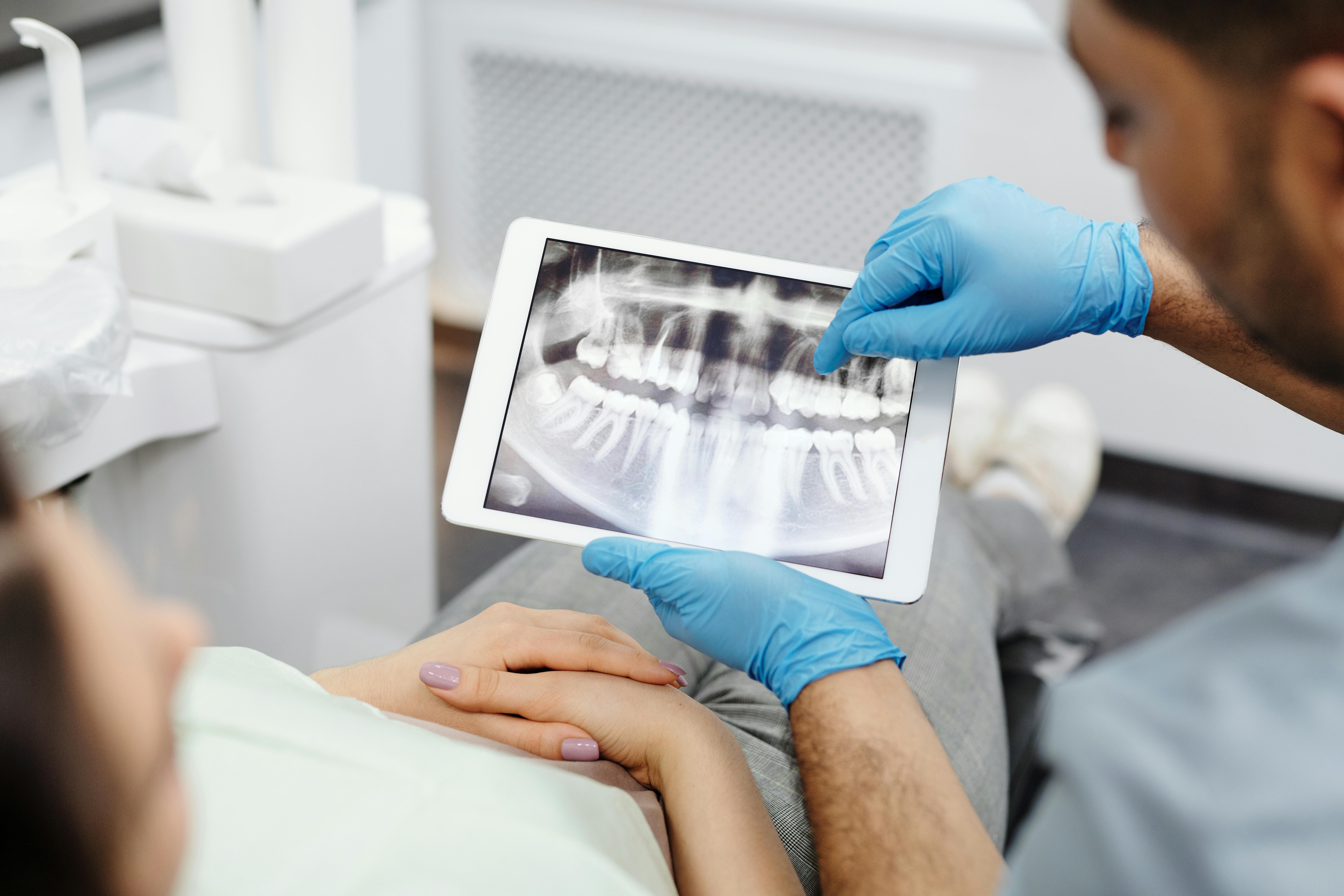
That assessment usually includes X-rays, photographs in some offices, and a close clinical exam. If you are looking into Dental Crowns Southgate CA, this is the stage where you want a dentist who explains the reasoning in plain language. A patient should understand why a crown is being recommended instead of a filling, onlay, veneer, or extraction.
Sometimes the exam reveals that the plan needs to change. A tooth that looked like a simple crown may also need buildup material because too much structure is missing. A tooth with deep decay may need root canal treatment first. Occasionally, a crack is worse than expected and the tooth cannot be predictably saved. Those are not pleasant discoveries, but it is better to learn them before investing in a restoration that will not last.
Patients often ask whether every cracked tooth needs a crown. The answer is no. Tiny craze lines in enamel are common and often harmless. A small chip may need only smoothing or bonding. The decision turns on how much healthy tooth remains and whether the tooth can handle everyday forces over time.
Preparing the tooth, what actually happens in the chair
The preparation visit is the point when the tooth is shaped to receive the crown. For most people, this is the part they worry about most, yet it is usually easier than expected.
The visit begins with local anesthetic. Once the area is numb, the dentist removes decay, old filling material, or broken tooth structure. If the tooth is significantly damaged, a core buildup may be placed to replace missing internal support. Then the tooth is carefully reduced on all sides so the final crown has room to fit without feeling bulky. This reduction has to be precise. Too little reduction and the crown may look thick or interfere with the bite. Too much and the tooth may become unnecessarily weakened or sensitive.
A well-prepared tooth is a balance of biology and engineering. The crown needs enough thickness to resist fracture, but the preparation also needs to preserve as much natural tooth as possible. This is where experience shows. Margins must be placed in a way that the lab can read clearly and the patient can keep clean afterward. If the edge of a crown traps plaque or sits awkwardly under the gum, problems tend to follow.
After the tooth is shaped, the dentist takes an impression or digital scan. Digital scanners have become more common because they can be more comfortable than traditional impression trays, but both methods can work well when used properly. Shade selection happens here too, especially for visible teeth. Matching a front tooth is rarely about picking a single color from a tab and moving on. Light, translucency, neighboring teeth, and even lip position can affect the final choice.
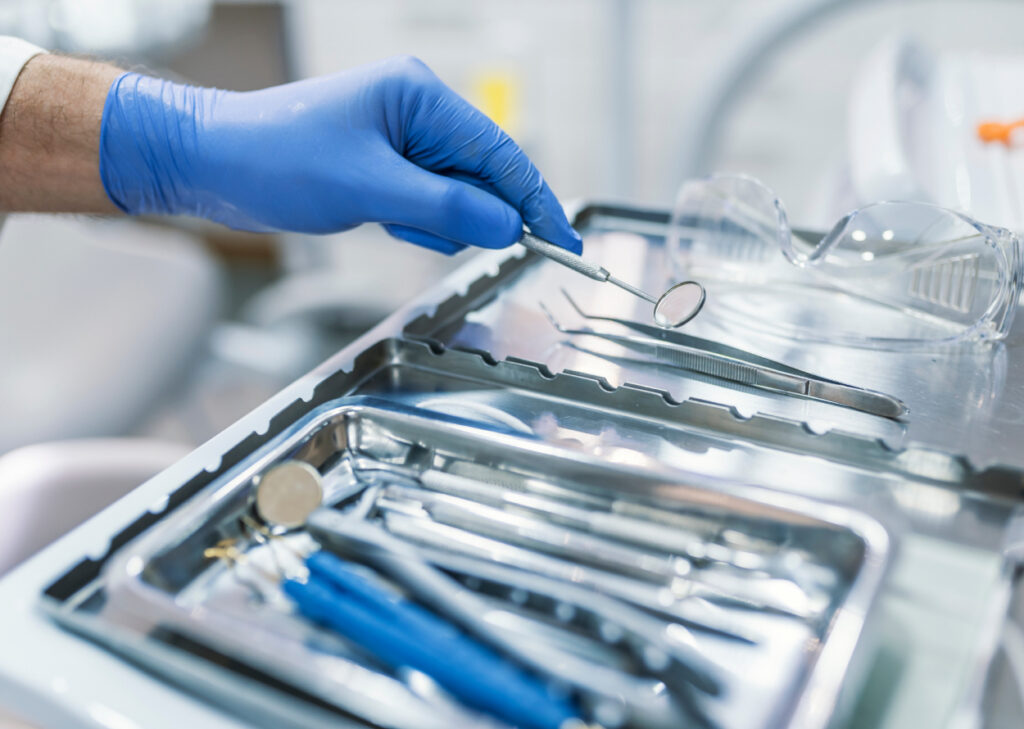
Before you leave, the dentist typically places a temporary crown. This provisional restoration matters more than many patients realize. It protects the prepared tooth, keeps the space stable, helps with appearance, and gives the dentist useful information about shape and bite. A temporary that feels too high, too rough, or too short can reveal adjustments needed before the final crown is cemented.
Living with the temporary crown
Temporary crowns are not meant to be perfect. They are placeholders, not the final product. That said, they should be comfortable enough for daily life.
It is normal to notice a slight difference in texture or fit. The material is usually less polished and less durable than the permanent crown. Most patients adapt within a day or two. Mild sensitivity to temperature can happen, especially if the tooth had a deep cavity beforehand. Tenderness at the injection site or around the gums can also occur briefly.
The most common issue with temporaries is cement failure. If a temporary loosens or comes off, it does not always mean the preparation underneath failed. Temporary cement is designed to be weaker so the final crown can be delivered later. Still, a loose temporary should not be ignored. The prepared tooth can shift, become sensitive, or collect food and bacteria if left exposed. In a well-run office, patients are usually told to call promptly so it can be recemented.
This is also the stretch when habits matter. A patient who chews caramel, tears open packets with their teeth, or ignores nighttime clenching can create trouble before the final crown even arrives. Most dentists recommend chewing more carefully on that side and keeping the area very clean along the gumline.
The lab stage, where craftsmanship matters
Between appointments, the case moves to the laboratory or in-office milling system, depending on the practice. This part is invisible to patients, but it has a huge effect on the result.
A crown is not just a shell. It has to fit the prepared tooth precisely, contact neighboring teeth properly, seal at the margins, harmonize with the bite, and in visible areas blend naturally with the smile. Material selection plays a major role here. Porcelain, layered ceramic, zirconia, metal-ceramic combinations, and other options each have strengths and trade-offs.
For back molars under heavy force, durability often leads the conversation. For front teeth, esthetics become more important because shade, translucency, and edge detail are easier to see. Some patients come in asking for the "strongest" material, but strength alone is not the whole story. The best material is the one that suits the tooth position, the bite pattern, and the cosmetic expectations.
A patient with severe grinding may do beautifully with a strong zirconia crown on a molar, yet the same material may not be the ideal artistic choice for a single upper front tooth where natural light transmission matters more. This is why good dentists discuss material in context rather than as a sales pitch.
The final seat, where details decide comfort
When the permanent crown is ready, the delivery appointment is usually shorter than the preparation visit, but it requires just as much attention to detail. The temporary is removed, the tooth is cleaned, and the permanent crown is tried in.
This stage is part quality control, part fine-tuning. The dentist checks the fit at the margins, confirms contact with adjacent teeth, evaluates the bite, and reviews the appearance. If it is a front tooth, many dentists will let the patient look before final cementation. That is smart. Tiny shape changes can alter how natural a crown looks in conversation and photographs.
Bite adjustment is one of the most important steps. A crown that is even slightly too high can make the tooth feel sore, especially during chewing. Patients often describe it as "that tooth hits first." Left uncorrected, high bite forces can create pain, loosen cement, or contribute to fracture over time. A careful dentist checks contact in multiple movements, not only when the patient bites straight down.
Once everything is confirmed, the crown is cemented or bonded, depending on the material and case design. The area is cleaned thoroughly, and the patient is given aftercare instructions. Many crowns feel normal right away. Others need a few days of adaptation, especially if the tooth was badly broken before treatment and the bite has now been restored to proper form.
What recovery feels like, and what is not normal
Most crown appointments do not involve a dramatic recovery. People often return to work the same day. Still, it helps to know what is common and what should prompt a call.
Mild soreness around the gums is typical for a couple of days because the tooth was prepared and the tissue may have been gently retracted during the impression or scan process. Some temperature sensitivity is also common, particularly if the original decay was deep. A little awareness when biting can happen for a short time as the mouth adjusts to the new shape.
What is not normal is strong throbbing pain, lingering sensitivity that worsens rather than improves, or a bite that feels clearly off after a day or two. Those symptoms can point to a crown that needs adjustment, an irritated nerve, or a tooth that was already borderline before treatment. Early follow-up matters. Small corrections made quickly are often simple.
One practical point that patients appreciate hearing in advance: numbness can last a few hours after the appointment, so eating immediately afterward requires some caution. Cheek or lip biting is more common than people admit, especially after lower molar work.
Longevity depends on more than the crown itself
A well-made crown can last many years, often well over a decade, but there is no honest way to promise a fixed lifespan. Crowns do not fail on a schedule. They fail because of conditions around them.
The most common causes are recurrent decay at the margin, fracture from excessive force, loss of cement retention, and gum disease that undermines support. Oral hygiene remains critical because the crown covers the tooth, but the margin where crown meets tooth is still vulnerable. Plaque does not care whether a restoration is expensive or beautiful.
Night grinding deserves special attention. In practice, some of the hardest-working crowns fail not because the materials were poor, but because a patient generated more force at night than any restoration could comfortably absorb year after year. A properly fitted night guard often extends the life of crowns dramatically in those cases.
Diet matters too, though usually in a gradual way. Constant sipping of sugary or acidic drinks raises decay risk at the edges. Chewing ice, opening packages with the teeth, or biting very hard items can fracture ceramic, especially on thinner areas.
Regular checkups help because dentists often spot tiny changes before patients feel anything. A margin beginning to stain, a contact trapping food, or a hairline crack in porcelain can sometimes be monitored or corrected before the problem grows.
Cost questions and the value discussion patients actually care about
Patients researching Dental Crowns Southgate CA almost always Dental Crowns Southgate CA want to understand cost, and that is reasonable. Crowns are an investment. Fees vary based on material, complexity, whether buildup or root canal treatment is also needed, and the particulars of insurance coverage. It is difficult to give one meaningful number without knowing the tooth and the treatment plan.
What matters more than chasing the lowest fee is understanding what is included. A crown is not a commodity in the way a household item is. The diagnosis, material selection, preparation quality, bite design, impression accuracy, lab work, and follow-up all shape the result. Two crowns can carry very different long-term value even if they sound identical over the phone.
That does not mean the most expensive option is automatically best. It means patients should ask sensible questions. Why this material for this tooth? Is a buildup likely? What happens if the temporary comes off? Will the office adjust the bite if it feels high after seating? Clear answers are usually a sign of a thoughtful process.
When the ideal plan is not a crown
Professional judgment also means recognizing when a crown is not the right answer. If decay extends too far below the gumline, if the root is fractured, or if there is not enough remaining tooth structure to retain a restoration predictably, extracting the tooth may be the more honest recommendation. In some cases, a partial coverage onlay preserves more natural tooth than a full crown and is the better conservative choice.
This is where second opinions can be useful, especially if the diagnosis feels rushed or the treatment plan is hard to follow. Good clinicians do not fear informed patients. They welcome them.
The experience should feel collaborative, not mysterious
At its best, the crown process is not just a sequence of technical steps. It is a collaboration. The dentist brings clinical judgment, technical skill, and planning. The patient brings symptoms, goals, habits, and feedback. When those pieces come together, crowns can solve problems that quietly simpledentalca.com Dental Crowns Southgate CA affect comfort, confidence, and everyday eating.
A patient with a broken molar may come in simply wanting to chew on that side again. A patient with a worn front tooth may want to stop hiding their smile in photos. Another may just want the sensitivity gone. The crown itself is the tool. The real goal is restoring function in a way that lasts and looks right.
For anyone exploring Dental Crowns Southgate CA, the process is usually less intimidating once it is broken down into stages: diagnosis, preparation, temporary phase, final delivery, and maintenance. None of those steps should feel rushed or opaque. When they are handled carefully, a crown often disappears into daily life in the best possible way. You stop thinking about the tooth because it works the way it should, comfortably, predictably, and without drama. That is usually the mark of good restorative dentistry.
Simple Dental South Gate
Address: 8617 California Ave, South Gate, CA 90280
Phone number: +13236896118
FAQ About Dental Crowns Southgate CA
How much do crowns cost per tooth?
In the United States, a single dental crown typically costs between $800 and $2,500 per tooth without insurance. The ultimate out-of-pocket price depends heavily on the crown material, the location of the tooth, and whether you have dental insurance coverage.
What is the downside of crowns on teeth?
The primary downside of a dental crown is that the procedure permanently removes natural tooth enamel to shape the tooth for the cap.
Why do dentists push for crowns?
Dentists recommend crowns because a large filling cannot provide enough strength when a tooth loses a major portion of its structure or faces heavy chewing pressure.
Ends · LANDENDPFT130