Dental Crowns and Gum Health: What You Need to Know
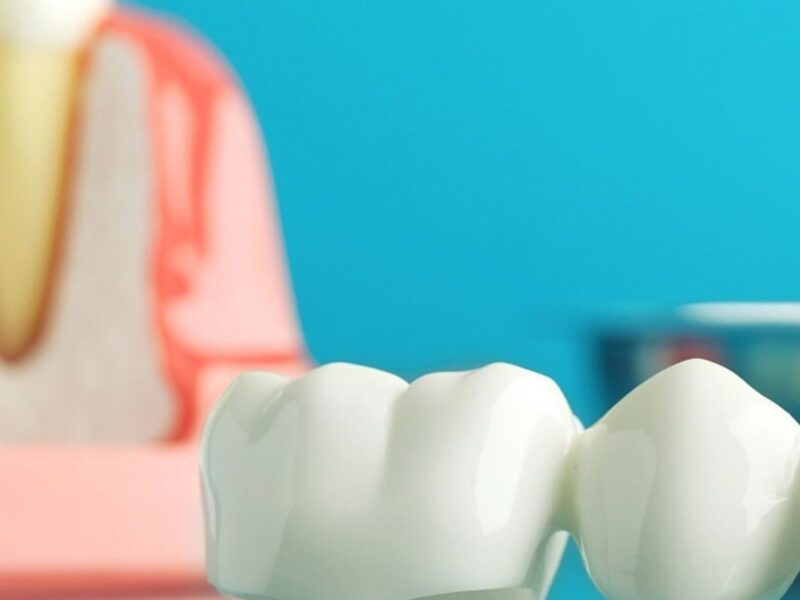


A well-made crown can protect a damaged tooth for many years. A poorly fitted crown, or even a good crown placed in a mouth with inflamed gums, can create a steady stream of problems that patients often do not connect back to the restoration. When people think about Dental Crowns, they usually focus on strength, appearance, and cost. Dentists, meanwhile, spend a great deal of time thinking about the margin where the crown meets the tooth and the gum tissue that frames it.
That little ring around the tooth matters more than most patients realize. Gum tissue reacts quickly to excess cement, rough edges, plaque retention, and pressure from a restoration that was shaped without enough respect for biology. Sometimes the signs are obvious, such as bleeding when flossing or a puffy gumline around one crowned tooth. Other times the changes are subtle. A patient says, “That tooth just never felt quite right after the crown,” and when you look closely, the gum has been irritated for months.
Understanding the relationship between crowns and gum health can help you avoid unnecessary complications and get more life out of the treatment you pay for.
The crown does not sit alone
A crown covers the visible part of a tooth, but it functions inside a small ecosystem. The tooth root, the periodontal ligament, the bone under the gum, the gum collar itself, and the neighboring teeth all influence whether that crown succeeds quietly or becomes a maintenance problem.
There is a common misconception that once a tooth receives a crown, it is somehow sealed off from future trouble. It is not. The underlying tooth can still decay at the margin. The gum can still become inflamed. Bone support can still diminish if plaque is allowed to accumulate or if the crown contour makes cleaning difficult.
In practice, the most successful crowns are often the ones patients barely think about after a few weeks. The bite feels natural. Floss slides through with slight resistance but does not shred. The gum around the tooth looks similar to the gum around the neighboring teeth. There is no chronic tenderness, no trapped food, no persistent odor, and no bleeding every time the area is touched.
That outcome depends on more than the crown itself. It depends on fit, contour, material choice, the position of the margin, the condition of the gum before treatment, and what happens after the patient goes home.
Why gums react to crowns
Gums are remarkably tolerant when restorations respect natural anatomy. They become irritated when that anatomy is altered in ways that encourage plaque retention or invade the space the tissue needs to stay healthy.
One of the most common problems is a margin that is too rough or not flush with the tooth. Even a tiny ledge can trap plaque day after day. Patients may brush well overall and still have localized inflammation around that one tooth. If floss frays or catches repeatedly at one spot near a crown, that deserves attention. It can indicate an overhang, a rough margin, or open space that is holding debris.
Contour is another major factor. A crown that is too bulky near the gumline may look acceptable in the mirror, especially on a back tooth, but the gum often disagrees. Overcontoured crowns can deflect food and plaque into the sulcus, the shallow groove between tooth and gum. They also make flossing awkward. Over time, the tissue can appear swollen, shiny, and prone to bleeding. Patients sometimes describe it as feeling like “food packs there no matter what I do.”
Then there is margin placement. Crowns do not always end above the gumline. In some cosmetic or structural situations, the edge must extend slightly below the visible gum margin. The problem begins when that edge is placed deeper than necessary. The deeper the margin, the harder it is to clean and the greater the chance the tissue will remain chronically irritated. This is not a theoretical concern. It shows up every day in patients who have had crowns for years and cannot understand why only one area never settles down.
A healthy gumline before treatment makes a difference
One of the least appreciated parts of crown treatment happens before the tooth is prepared. If the gums are already inflamed, the crown process becomes less predictable. Bleeding interferes with impressions or digital scans. Swollen tissue can make margins harder to capture accurately. A temporary crown that fits a puffy gumline may not fit as well once the inflammation improves, or vice versa.
This is why a careful dentist may delay crown work until gum health is stabilized. Patients do not always love hearing that they need a cleaning, better home care, or periodontal treatment before the “real fix” can start. But from a restorative standpoint, it is often the difference between a crown that integrates well and one that becomes a recurring source of irritation.
A simple example illustrates the point. Imagine two patients receiving crowns on upper molars. The first has firm pink gums, low plaque levels, and no bleeding on probing. The second has generalized gingivitis and moderate swelling around the same area. Even if the same lab fabricates both crowns and the same dentist places them, the first case is far more likely to settle quickly and remain stable.
Temporary crowns often tell the truth early
Temporary crowns are sometimes dismissed as a brief inconvenience, but they can reveal a great deal about how the final crown may affect the gums. If the gum around a temporary crown becomes inflamed, catches food constantly, or feels sore when flossing, that is useful information. It may mean the temporary contour is off, the contact with the neighboring tooth is too open or too tight, or the margin is impinging on the tissue.
When the temporary period goes smoothly, that is a good sign, though it is not a guarantee. The final crown still has to replicate the right shape and fit. In well-managed cases, dentists use the tissue response to the temporary as feedback. If the gums look healthier after a small contour adjustment, that lesson carries forward to the definitive restoration.
Patients help themselves when they report specifics instead of saying only that something feels “weird.” It is useful to mention whether the gum bleeds when flossing, whether food is getting trapped between teeth, whether the bite feels high, and whether the area smells unpleasant even after brushing. Those details often point directly to the source of the problem.
The margin is where success or trouble begins
Dentists talk about margins so often because that junction is where biology, engineering, and daily hygiene meet. A crown margin should be accurate, smooth, and accessible enough to be maintained.
If the margin is open, bacteria can work underneath it and recurrent decay may develop. If the margin is rough, plaque adheres more easily. If too much cement is left behind after placement, the gum can react strongly. Residual cement is especially notorious around crowns on implants, but it can irritate natural teeth as well. Sometimes a patient returns a week or two after delivery with a puffy, tender gumline, and a small piece of trapped cement is the entire reason.
Margin design also intersects with material selection. Modern all-ceramic crowns can be excellent for esthetics and tissue response when properly designed and polished. Gold, despite being less popular cosmetically, has long had a strong reputation for kind behavior toward gums because it can be finished very smoothly and adapted precisely. Porcelain fused to metal crowns can perform very well too, but they require thoughtful contour and finishing. No material can rescue a Dental Crowns poor fit.
What matters most is not the marketing category of the crown. It is whether the restoration respects the tooth and the surrounding tissue.
Signs your gums may be unhappy with a crown
Gum problems around crowned teeth do not always cause severe pain. More often they produce low-grade, repeated symptoms that patients get used to. That normalization is a mistake. Chronic inflammation around one tooth is rarely something to ignore.
Here are common signs that deserve a closer look:
- Bleeding when brushing or flossing around the crowned tooth, especially if the rest of the mouth does not bleed.
- Redness, puffiness, or a gumline that looks thicker around the crown than around neighboring teeth.
- Persistent bad taste or odor coming from one area.
- Food trapping near the crown, especially if it began after placement.
- Floss shredding, snapping, or getting stuck at the margin.
None of these signs proves the crown is defective, but each suggests that the crown, the surrounding gum, or both need evaluation.
The bite matters more than many patients expect
When people think about gum irritation, they usually think about brushing and flossing. Bite forces deserve equal attention. A crown that is slightly high can create a pattern of stress that affects the tooth and surrounding tissues. Some patients report a bruised feeling when biting. Others start clenching around the area unconsciously. The gum itself may not be the primary issue, but excessive occlusal load can make the entire region feel tender and inflamed.
This is particularly important for people who grind their teeth. Bruxism places heavy lateral forces on crowns, especially molars. The result may be not only wear or fracture risk, but also soreness in the ligament around the tooth that gets mistaken for a gum problem. In some cases, the solution is a bite adjustment. In others, a night guard is part of protecting both the crown and the supporting tissues.
A real-world pattern many dentists recognize is the patient who returns after a new crown saying, “It feels sore when I chew, but not all the time.” If the gum looks mostly healthy and the x-ray is unremarkable, the bite is often the first thing to recheck.
When recession changes the picture
Gums are not static over a lifetime. Recession can expose part of the root or reveal the edge of an older crown that used to be hidden. This can create sensitivity, esthetic concerns, and a new plaque trap. A crown that looked seamless ten years ago may now show a dark line or a visible junction near the gumline. The patient often assumes the crown suddenly failed, but in many cases the surrounding tissue changed.
Recession itself is not always caused by the crown. It may result from aggressive brushing, thin gum biotype, periodontal disease, orthodontic movement, or long-term inflammation. Still, once recession occurs, the crown has to function in a new environment. If the exposed margin is rough, decayed, or unaesthetic, replacement may be warranted. If the margin is sound and the area is healthy, monitoring may be enough.
Judgment matters here. Not every visible crown edge needs treatment. Replacing a functional crown carries its own risks, including further irritation to the tooth and gum. The right decision depends on symptoms, decay risk, appearance, and whether the tissue is stable.
How home care changes after a crown
Patients are sometimes surprised to hear that crowned teeth often need more precise cleaning, not less. The goal is not aggressive scrubbing. It is consistent plaque disruption at the gumline and between teeth.
Flossing technique matters. Snapping floss down between contacts can traumatize the papilla, the small triangle of gum between teeth. A gentler approach works better: guide the floss through the contact, curve it around one side of the tooth in a C shape, slide below the gumline slightly, then repeat on the adjacent surface. Interdental brushes can be helpful when there is enough space, especially around bridges or larger embrasures. Water flossers can support hygiene, though they should not be seen as a complete substitute for mechanical cleaning.
For many patients, the practical challenge is not knowledge but consistency. A crowned tooth that traps food may need attention after lunch, not only before bed. Someone with dry mouth from medication may accumulate plaque faster and need fluoride support to protect the crown margins from decay. A patient with hand dexterity issues may do better with an electric toothbrush and tailored tools rather than trying to force standard floss into areas it cannot reach well.
The best home care plan is the one a patient will actually use every day.
What dentists look for when a crowned tooth has gum issues
When a patient returns with irritation around a crown, the evaluation is usually more nuanced than simply asking whether the crown is “good” or “bad.” The dentist considers several possibilities at once: plaque control, crown contour, contact tightness, residual cement, margin integrity, bite, recurrent decay, root fracture, and periodontal status.
X-rays help, but they do not reveal everything. A margin can be technically closed on a radiograph and still be problematic clinically if the contour is bulky or the finish is rough. Likewise, a crown can look unremarkable from above but have an open contact with the adjacent tooth, leading to food impaction and repeated gum inflammation.
Sometimes the fix is conservative. Polishing a rough area, removing excess cement, adjusting the bite, or refining a contact can make a dramatic difference within a couple of weeks. Other times the crown needs replacement because the underlying design is working against the tissue. That decision should not be rushed, but it should not be postponed indefinitely when the signs are clear.
Not every bleeding crown needs a new crown
This point is worth emphasizing because patients often fear that any bleeding around a crown means expensive retreatment. In reality, many cases improve with periodontal therapy and better home care. If the crown margin is sound and the shape is acceptable, inflamed gums may recover well after professional cleaning and a renewed hygiene routine.
There are also cases where the opposite is true. The patient is cleaning carefully, attending recalls, and still has isolated inflammation around one crowned tooth. That pattern should raise suspicion that the restoration itself is contributing. Gum tissue is often very specific in how it responds. When one tooth remains puffy while the surrounding gums are healthy, there is usually a local reason.
The distinction matters because overtreating and undertreating are both Dental Crowns common mistakes. Replacing a salvageable crown wastes tooth structure and money. Leaving a biologically unfriendly crown in place prolongs inflammation and may compromise support over time.
Special situations, front teeth, molars, and crowns on root canal treated teeth
Front teeth bring esthetics into the gum health conversation. A crown on an upper front tooth may have acceptable function but still be problematic if the tissue around it looks uneven, darker, or chronically swollen. In these areas, even minor contour errors become visible. Patients notice asymmetry immediately, especially when smiling.
Molars present a different challenge. They take heavy forces, they are harder to clean, and their gumline is easier to neglect because it is out of sight. A posterior crown can function for years with simmering inflammation before the patient seeks help, usually because of bleeding or food packing.
Teeth that have had root canal treatment deserve a mention as well. Because they no longer have vital pulp sensation, patients may not feel early warning signs in the same way. A crowned root canal treated tooth can still develop gum problems, cracks, or decay at the margin. The absence of classic toothache does not mean the tooth is trouble-free.
Questions worth asking before and after crown treatment
Patients make better decisions when they know what to ask. Before crown treatment, it is reasonable to ask whether the gums are healthy enough for the procedure, where the margin is likely to sit, and whether there are alternatives. After placement, it is worth asking what normal healing should look like, how floss should feel around the new crown, and what symptoms would justify a sooner follow-up instead of waiting for the next routine cleaning.
These conversations tend to prevent avoidable frustration. Many post-crown issues become harder when patients assume discomfort is just part of the process and wait six months to mention it. A gumline that stays sore or bleeds for weeks deserves re-evaluation. Minor adjustments are easiest when done early.
The long view
The lifespan of Dental Crowns is often discussed in terms of years, but longevity is not only about whether the crown stays attached or intact. A crown that survives fifteen years while irritating the gum for ten of them is not a true success. The better standard is comfort, cleanability, stable tissue, and preservation of the underlying tooth.
The encouraging news is that gum-related crown problems are often preventable. Good pre-treatment planning, precise margins, careful contour, complete cement cleanup, bite refinement, and realistic home care guidance go a long way. Patients do not need to memorize technical terms to benefit from this. They simply need to understand that the gum around a crown is an active participant in the outcome.
When that gum remains calm, pink, and easy to clean, the crown usually fades into the background of daily life, which is exactly where a successful restoration belongs.
Simple Dental South Gate
Address: 8617 California Ave, South Gate, CA 90280
Phone number: +13236896118
FAQ About Dental Crowns
How much do crowns cost per tooth?
In the United States, a single dental crown typically costs between $800 and $2,500 per tooth without insurance. The ultimate out-of-pocket price depends heavily on the crown material, the location of the tooth, and whether you have dental insurance coverage.
What is the downside of crowns on teeth?
The primary downside of a dental crown is that the procedure permanently removes natural tooth enamel to shape the tooth for the cap.
Why do dentists push for crowns?
Dentists recommend crowns because a large filling cannot provide enough strength when a tooth loses a major portion of its structure or faces heavy chewing pressure.
Ends · LANDENDPFT130